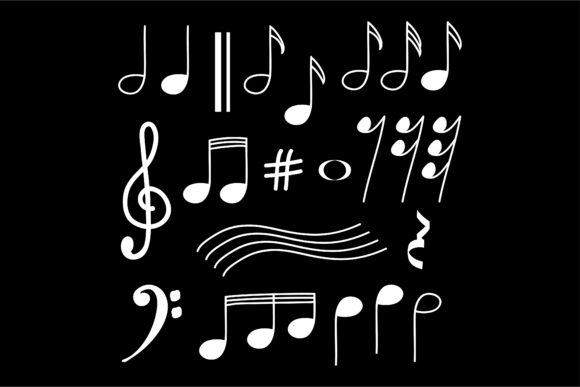
Music Note Doodles: A Creative Fusion of Art and Music
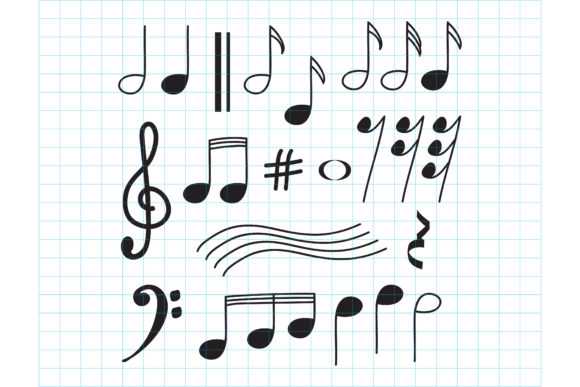
In the world of digital design and artistic expression, music note doodles have emerged as a unique and versatile form of visual communication. These playful, stylized illustrations of musical symbols are not just decorative; they serve functional and aesthetic purposes across various industries and creative projects. Whether you're a graphic designer, a musician, or someone who simply enjoys drawing, understanding the elements of music note doodles can open up new avenues for creativity and expression.
The Appeal of Music Note Doodles
At first glance, music note doodles might seem like simple sketches, but they carry a deeper significance. They blend the precision of musical notation with the spontaneity of doodling, creating a visual language that is both intuitive and expressive. This combination appeals to a wide audience because it bridges the gap between technical music knowledge and casual artistic interest.
Music note doodles are often used in educational settings, where they help students remember musical concepts through visual cues. In classrooms, these doodles can be found on whiteboards, notebooks, and even flashcards, serving as mnemonic devices that make learning more engaging and memorable.
For professionals, such as composers and arrangers, music note doodles offer a quick way to sketch out ideas without the need for complex software. They can be created with minimal tools—just a pen and paper—and are often used during brainstorming sessions or as a preliminary step before moving to more formal compositions.
Key Elements of Music Note Doodles
To create effective music note doodles, it's essential to understand the basic components of musical notation. These include:
- Notes: The fundamental building blocks of music, represented by different shapes and sizes.
- Clef: Symbols that indicate the pitch of notes on the staff.
- Time Signature: Determines the meter and rhythm of the piece.
- Rests: Indicate periods of silence in the music.
- Dynamics: Symbols that show volume and intensity.
Each of these elements plays a crucial role in how music note doodles are interpreted and understood. When simplified into a doodle style, they retain their meaning while becoming more accessible to a broader audience.
One of the most common styles seen in music note doodles is the use of bold outlines and minimal shading. This approach makes the doodles stand out against a plain background, which is especially useful when they are used in presentations, posters, or digital media.
Additionally, many music note doodles incorporate whimsical elements such as musical instruments, animals, or abstract shapes. These additions make the doodles more engaging and allow for greater personalization, making them ideal for use in branding, social media content, or personal projects.
Practical Applications of Music Note Doodles
The versatility of music note doodles means they can be applied in a variety of contexts. For instance, in the music industry, they are frequently used in album artwork, promotional materials, and online platforms to represent genres or artists in a visually appealing manner.
In education, music note doodles are often integrated into teaching resources to help students grasp difficult concepts. Teachers may use them in lesson plans, handouts, or interactive activities to make lessons more dynamic and relatable.
For individuals who enjoy creative hobbies, music note doodles provide an excellent way to express personal interests. Whether you're creating a journal, designing a website, or working on a personal project, these doodles can add a unique touch that reflects your personality and style.
Another popular application is in digital marketing and branding. Companies in the music industry often use music note doodles as part of their visual identity to convey creativity, energy, and innovation. These doodles can be incorporated into logos, advertisements, and social media graphics to create a cohesive brand image.
Designing Effective Music Note Doodles
Creating high-quality music note doodles requires attention to detail and an understanding of both art and music. Here are some tips to help you get started:
- Start Simple: Begin with basic shapes and gradually add complexity as you become more comfortable with the process.
- Use a Black Background: A clean, isolated black background enhances the contrast and makes the doodles more visually striking.
- Experiment with Styles: Try different line weights, colors, and textures to find a style that suits your needs and preferences.
- Focus on Clarity: Ensure that the key elements of the doodle are easily recognizable, even when simplified.
- Keep It Consistent: Maintain a consistent style throughout your work to create a professional and polished look.
By following these guidelines, you can create music note doodles that are both functional and aesthetically pleasing. Whether you're using them for personal enjoyment or professional purposes, these doodles can enhance your creative output and make your work more engaging.
Conclusion
Music note doodles are more than just artistic expressions—they are powerful tools that combine the beauty of music with the creativity of drawing. By understanding their elements, applications, and design principles, you can unlock new possibilities for your projects and ideas. Whether you're a student, a professional, or a hobbyist, incorporating music note doodles into your work can add a unique and meaningful dimension to your creative journey.