Music Note Design: A Doodle Style Guide
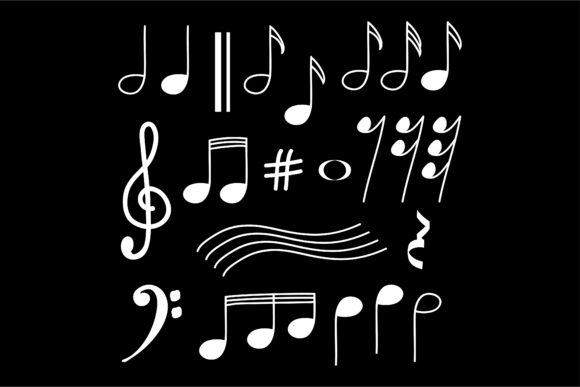
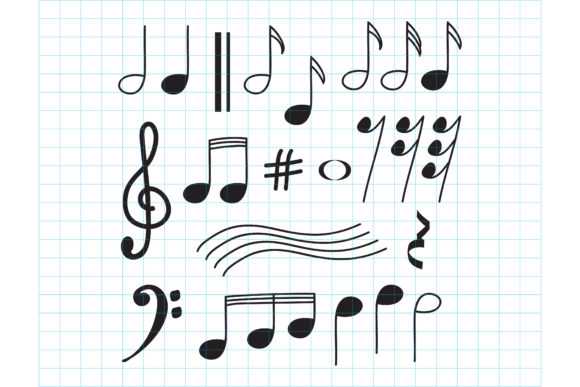
Music Note Design is a visual language that blends musical elements with artistic expression, often seen in doodle-style illustrations. This design approach uses simplified, stylized representations of musical notes and symbols to create engaging and accessible visuals. Whether for educational purposes, branding, or creative projects, Music Note Design offers a unique way to communicate music-related ideas through imagery.
Why Would Someone Be Interested in Music Note Design?
There are several reasons why individuals or businesses might be drawn to Music Note Design. For educators, it can serve as an effective tool for teaching music theory in a more visual and interactive manner. Artists and designers may find it appealing for creating icons, logos, or promotional materials that reflect a musical theme. Additionally, the doodle style makes it highly adaptable and relatable, especially for younger audiences or those who appreciate playful, hand-drawn aesthetics.
Benefits of Music Note Design
One of the key advantages of Music Note Design is its simplicity. The use of black backgrounds and isolated elements allows for clean, focused visuals that are easy to interpret. This clarity makes it ideal for digital interfaces, such as apps or websites where quick recognition is essential. Another benefit is its versatility—Music Note Design can be applied across various mediums, including print, web, and social media platforms.
The doodle style also adds a sense of personality and creativity. Unlike traditional, rigid designs, doodles bring a human touch that can make content more engaging and memorable. This is particularly useful in marketing or branding contexts where emotional connection plays a significant role.
Additionally, Music Note Design can be cost-effective. Because it relies on minimalistic elements, it often requires less time and resources to produce compared to more complex graphic designs. This makes it an attractive option for small businesses or independent creators looking to maintain a consistent visual identity without a large budget.
Tradeoffs and Considerations
While Music Note Design has many strengths, it is not without its limitations. One potential drawback is that the simplicity of the style may limit its ability to convey intricate details or advanced concepts. For example, when designing for professional or academic settings, more detailed and precise graphics may be necessary.
Another consideration is the level of customization. Although the doodle style offers flexibility, it can sometimes feel generic if not executed with enough originality. To avoid this, designers should focus on developing a distinct visual voice that aligns with their brand or project goals.
Furthermore, the effectiveness of Music Note Design depends heavily on context. In some cases, a more formal or sophisticated design approach may be more appropriate. It's important to evaluate whether the style supports the intended message and audience.
Situations Where Music Note Design May Be Strong
Music Note Design excels in situations where simplicity, accessibility, and visual appeal are priorities. It is particularly well-suited for educational tools, children's products, and branding initiatives that aim to connect with a broad audience. For instance, a music education app could use Music Note Design to create intuitive icons that help users navigate features more easily.
It is also ideal for social media content and online campaigns where attention spans are short. The bold, isolated elements of the design stand out against busy backgrounds, making them effective for capturing user interest quickly.
Moreover, Music Note Design can enhance storytelling. When used in infographics or narrative-driven content, it can help break down complex topics into digestible, visually engaging components. This makes it a valuable asset for content creators and communicators.
When Alternatives May Be Worth Considering
While Music Note Design is versatile, there are scenarios where alternative design approaches may be more suitable. For example, in professional or high-stakes environments, such as concert venues or music production studios, more detailed and technically accurate graphics may be required. These designs can provide a more authentic representation of musical elements and cater to a more specialized audience.
Similarly, for projects that require a higher level of sophistication or branding consistency, a custom illustration or vector-based design may be more appropriate. These options offer greater control over detail, color, and overall aesthetic, allowing for a more polished and professional look.
Additionally, when working with large-scale campaigns or global audiences, cultural sensitivity becomes a key factor. While Music Note Design is generally inclusive, certain symbols or styles may carry different meanings in various regions. In such cases, it may be beneficial to consult with cultural experts or conduct thorough research to ensure the design is appropriately adapted.
Practical Decision-Making Insights
When deciding whether to use Music Note Design, consider your target audience, the purpose of the design, and the platform where it will be used. If your goal is to create something approachable and engaging, Music Note Design is likely a strong choice. However, if you need a more refined or technical representation, explore other design options.
It's also important to think about scalability. Will the design work well in both small and large formats? Can it be easily adapted for different color schemes or backgrounds? These factors can influence the long-term usability of your design.
Finally, always test your design with real users. Feedback can reveal insights you may not have considered and help you refine your approach. Whether you're creating for personal use or a business, involving your audience in the process ensures the final result meets their needs and expectations.