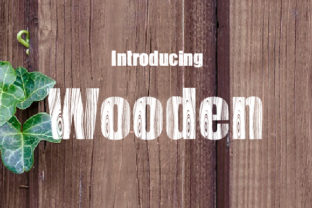
Wooden: A Versatile Decorative Typeface for Design Projects
The Wooden typeface is a striking addition to any designer's toolkit, offering a unique blend of texture and style that can elevate visual projects. Its distinct wooden motif brings warmth and character to typography, making it ideal for a wide range of applications. Whether you're working on name cards, posters, logos, or magazine covers, the Wooden font adds an organic feel that stands out in both digital and print formats.
What Makes Wooden Unique?
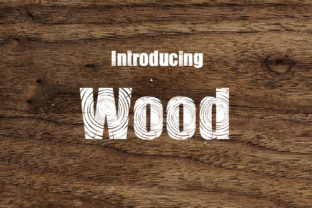
The Wooden typeface is designed with a focus on natural aesthetics. Each character features subtle grain patterns and textures that mimic real wood, giving it a tactile quality even on screen. This attention to detail makes it more than just a decorative font—it becomes a design element in its own right.
Unlike many other decorative fonts that may appear overly ornate or difficult to read, Wooden maintains a balance between elegance and legibility. The characters are crafted with clean lines and consistent spacing, ensuring that they remain readable even at smaller sizes. This versatility allows designers to use Wooden in a variety of contexts without compromising clarity.
Comparing Wooden with Similar Fonts
When evaluating Wooden, it’s helpful to consider how it stacks up against other decorative typefaces. Fonts like Bark or Logotype also feature natural motifs but often lean more heavily into stylized forms that may not be as suitable for extended text. In contrast, Wooden offers a more refined approach that works well for both short headlines and longer body copy.
Another key difference lies in the adaptability of Wooden. While some fonts are limited to specific uses—such as headers or logos—Wooden can be used across multiple platforms and mediums. It performs well on websites, mobile interfaces, and printed materials, making it a practical choice for designers who need a single font to handle various tasks.
Strengths of Wooden
- Distinctive Visual Appeal: The wooden texture gives Wooden a unique look that sets it apart from standard sans-serif or serif fonts.
- Versatility: Suitable for a wide range of design projects including branding, packaging, and editorial layouts.
- Legibility: Despite its textured appearance, Wooden remains easy to read, even in smaller sizes.
- Consistency: The uniformity of the font ensures that designs maintain a cohesive look across different elements.
Potential Limitations
While Wooden has many strengths, it's important to recognize situations where it may not be the best fit. For instance, if a project requires a high level of technical precision or a very modern aesthetic, Wooden might not align with those goals. Similarly, in environments where readability is paramount—such as long-form content or instructional materials—other fonts may be more appropriate.
Designers should also consider the context in which Wooden will be used. While it works beautifully in creative fields like fashion or interior design, it may not be the ideal choice for corporate communications that require a more formal tone.
Best-Fit Situations for Wooden
Wooden shines in scenarios where a warm, organic feel is desired. Here are some examples of when this font might be the right choice:
- Brand Identity: Use Wooden for logos or brand names that want to convey a sense of craftsmanship or natural inspiration.
- Event Materials: Posters, invitations, and banners for events like craft fairs, outdoor festivals, or eco-friendly initiatives benefit from the rustic charm of Wooden.
- Product Packaging: Labels, tags, and packaging for artisanal products such as handmade soaps, wooden toys, or organic foods can be enhanced with this font.
- Editorial Design: Magazine covers, blog headers, and article titles can take advantage of Wooden's unique texture to create visually engaging content.
However, if the goal is to create a sleek, minimalist design or a highly technical document, it may be better to opt for a simpler font that doesn't distract from the message.
Choosing Between Wooden and Alternatives
When deciding whether to use Wooden, it's essential to evaluate the overall design needs of the project. Consider factors such as the target audience, the medium (print vs. digital), and the tone of the content. If the objective is to stand out with a distinctive visual identity, Wooden could be an excellent choice. However, if the primary focus is on clarity and professionalism, other options may be more suitable.
Designers should also experiment with different fonts to see which one complements their work best. Testing Wooden alongside other fonts in the same family or similar styles can help determine whether it fits seamlessly into the overall design scheme.
Practical Examples
Imagine designing a poster for a local woodworking workshop. Using Wooden for the headline would immediately communicate the theme and add a personal touch. On the other hand, if the same poster were for a tech conference, a cleaner, more modern font would likely be more effective.
In another scenario, a boutique clothing brand looking to emphasize sustainability might choose Wooden for its logo and packaging. This reinforces the brand's values through visual storytelling, creating a stronger connection with environmentally conscious consumers.
Conversely, a financial institution would probably avoid Wooden in favor of a more traditional, trustworthy font that aligns with its professional image.
Final Thoughts
Wooden is a remarkable typeface that offers a unique blend of texture and functionality. Its ability to bring a natural, handcrafted feel to any design makes it a valuable asset for creators in various industries. By understanding its strengths and limitations, designers can make informed decisions about when and how to use it effectively.
Ultimately, the decision to use Wooden depends on the specific requirements of the project. When the goal is to add character and warmth to a design, this font can be a powerful tool. But when simplicity and clarity are the top priorities, other options may be more appropriate. As with any design choice, careful consideration of the context and purpose will lead to the best results.