Green Labels: A Practical Tool for Streamlining Workflows and Enhancing Organization
In the fast-paced world of modern work, efficiency and clarity are essential. Whether you're managing a creative project, organizing a business workflow, or planning a personal goal, having the right tools can make all the difference. One such tool that has gained traction among professionals and creators alike is Green Labels. These small but powerful visual markers offer a simple yet effective way to categorize, prioritize, and track progress across various tasks and activities.
What Are Green Labels and How Do They Fit Into Broader Processes?
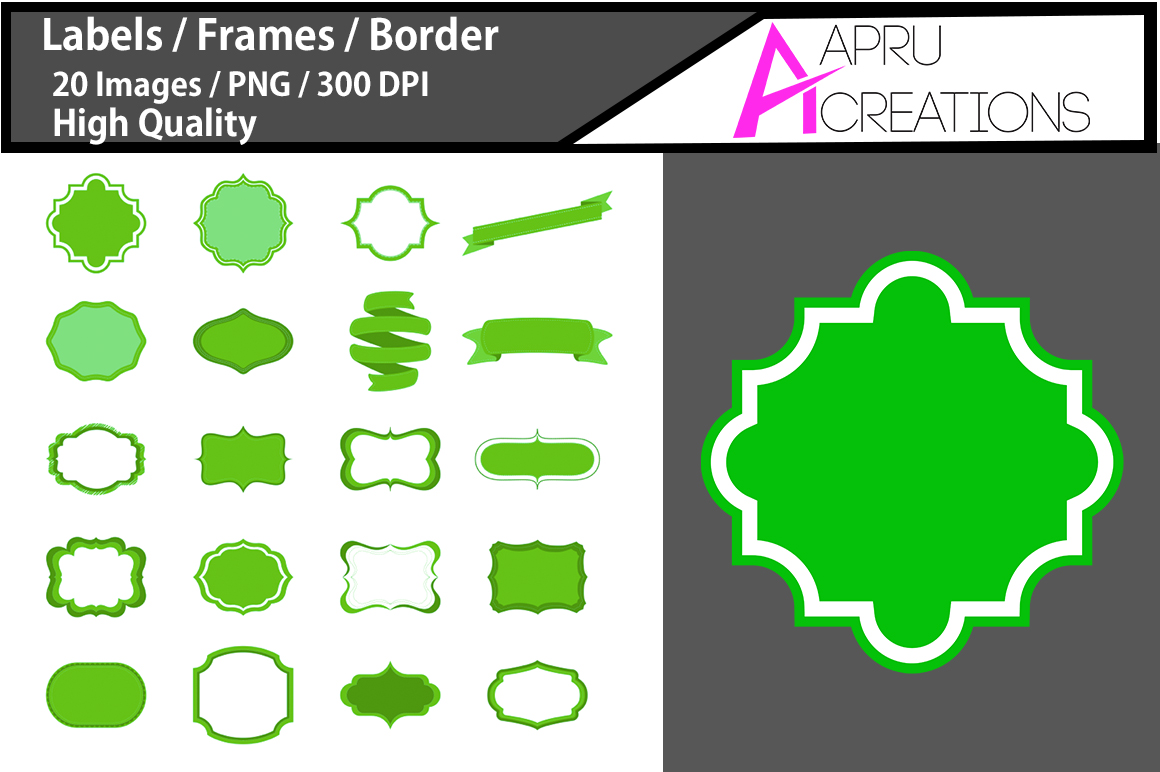
Green Labels are customizable, printable stickers designed to be used in both digital and physical workflows. They come in a variety of formats, including transparent PNGs, high-resolution vector files (SVG and EPS), and scalable designs that allow users to easily adjust colors and sizes. Their versatility makes them suitable for a wide range of applications, from project management to personal productivity systems.
The key strength of Green Labels lies in their ability to serve as visual cues. By assigning specific labels to different stages, priorities, or categories within a process, users can quickly identify what needs attention, what’s completed, and what requires further action. This visual clarity helps streamline decision-making and keeps workflows organized, especially when working with multiple tasks or stakeholders.
Where Can Green Labels Be Used?
Green Labels are not limited to a single use case. They can be integrated into nearly any workflow where categorization and tracking are necessary. Here are some common scenarios:
- Project Management: Use labels to mark task status—such as "In Progress," "Pending," or "Completed."
- Creative Workflow: Apply labels to organize ideas, sketches, or drafts by theme or priority.
- Business Operations: Implement labels for inventory tracking, customer feedback, or quality control checks.
- Personal Productivity: Use labels to manage daily to-do lists, habit tracking, or learning goals.
- Marketing & Content Creation: Categorize assets like images, videos, or blog posts based on relevance, audience, or campaign.
- Education & Training: Label study materials, assignments, or student progress reports for easy reference.
By fitting seamlessly into these diverse contexts, Green Labels become an adaptable part of your toolkit rather than a one-size-fits-all solution.
How Green Labels Interact With Other Tools and Resources
One of the greatest advantages of Green Labels is their compatibility with existing tools and platforms. Whether you're using digital project management software like Trello or Asana, or physical tools like sticky notes and whiteboards, Green Labels can be integrated without disrupting your current system.
For instance, if you're working with a digital platform that allows custom tags or labels, you can use the SVG or EPS versions of Green Labels to create consistent visual indicators. This ensures that your labels remain uniform across both digital and physical environments, reinforcing clarity and reducing confusion.
Additionally, the transparency feature of the PNG files makes them ideal for layering over other content without obscuring important details. This is particularly useful when labeling documents, diagrams, or presentations where visibility is critical.
Practical Implementation Tips
To get the most out of Green Labels, consider the following implementation strategies:
- Define Your Use Cases: Before printing or applying labels, determine exactly how they will be used. Will they be for internal tracking, client communication, or personal organization? Clarifying this helps ensure consistency and relevance.
- Customize for Specific Needs: Take advantage of the color and size customization options. For example, use green for "Approved" and red for "Needs Review" to create a clear visual hierarchy.
- Ensure Compatibility: Check that the file formats provided (PNG, SVG, EPS) are compatible with your preferred tools. The high-resolution 300 DPI ensures that printed labels maintain sharpness and clarity, even when scaled.
- Organize Your Labels: Create a system for storing and accessing your labels. Whether you keep them in a folder, a notebook, or a digital asset library, having a clear structure helps prevent misplacement and duplication.
- Test Before Full Deployment: Try using a few labels in a low-stakes environment to see how they fit into your workflow. This allows you to refine your approach before committing to a larger rollout.
By taking these steps, you can ensure that Green Labels are not just added to your workflow, but actively enhance it.
Workflow Examples and Real-World Applications
Let’s explore a few real-world examples to illustrate how Green Labels can be applied in different scenarios:
Example 1: Creative Project Management
A graphic designer might use Green Labels to categorize design assets by project, client, or stage. For instance, placing a "Design Draft" label on a concept sketch helps team members quickly identify which pieces are ready for review. Similarly, a "Final Approval" label on a completed piece signals that it's time to move forward with production.
Example 2: Inventory Tracking in Small Business
A small business owner could apply Green Labels to stock items to indicate availability, pricing, or supplier information. A "Low Stock" label might prompt restocking actions, while a "Special Order" label highlights items that require additional handling or documentation.
Example 3: Personal Learning Goals
For self-learners or educators, Green Labels can help organize study materials. A "Completed" label on a lesson plan indicates that the topic has been mastered, while a "Review Needed" label serves as a reminder to revisit the material.
These examples demonstrate how Green Labels can be tailored to fit individual or team needs, enhancing both efficiency and accuracy.
Factors to Consider When Integrating Green Labels
When incorporating Green Labels into your routine, it's important to consider several factors that influence their effectiveness:
- Preparation: Ensure that your workspace or digital environment is set up to accommodate labels. This includes having the right tools, storage solutions, and access to the correct file formats.
- Compatibility: Verify that the labels work well with your existing systems and platforms. This includes checking for file format support, resolution requirements, and scalability options.
- Usability: Choose labels that are easy to apply and understand. Avoid overly complex designs that may confuse users or reduce their effectiveness.
- Organization: Maintain a consistent labeling system to avoid confusion. This includes defining label meanings, keeping labels updated, and ensuring accessibility.
- Efficiency: Use labels to eliminate unnecessary steps in your workflow. For example, a single label can replace multiple verbal or written reminders, saving time and effort.
- Consistency: Apply labels uniformly across all relevant areas to reinforce their purpose and ensure they function as intended.
- Quality Control: Regularly review your labeling system to ensure it remains accurate and relevant. Adjust labels as needed to reflect changes in your workflow or goals.
- Long-Term Use: Design your labeling system with future growth in mind. This means choosing scalable formats and flexible label types that can adapt to evolving needs.
By addressing these factors, you can ensure that Green Labels remain a valuable and sustainable part of your workflow.
Conclusion
Green Labels are more than just colorful stickers—they are a practical, versatile tool that can enhance clarity, organization, and efficiency in both personal and professional settings. Whether you're managing a creative project, streamlining a business operation, or tracking personal goals, these labels provide a simple yet powerful way to visualize and manage your workflow.
With the option to customize colors, sizes, and formats, Green Labels can be adapted to suit a wide range of needs. Their compatibility with digital and physical tools ensures seamless integration into your existing systems, making them an invaluable addition to your toolkit.