Tree Silhouette: A Versatile Design Asset for Creative Workflows
Tree Silhouette is more than just a visual element—it’s a powerful design tool that can enhance the aesthetic and functionality of various creative projects. Whether you're working on digital art, web design, or print materials, Tree Silhouette offers a clean, elegant look that complements a wide range of applications. Its simplicity and adaptability make it an ideal choice for professionals and hobbyists alike who are looking to elevate their work without sacrificing quality.
Understanding Tree Silhouette and Its Role in Design
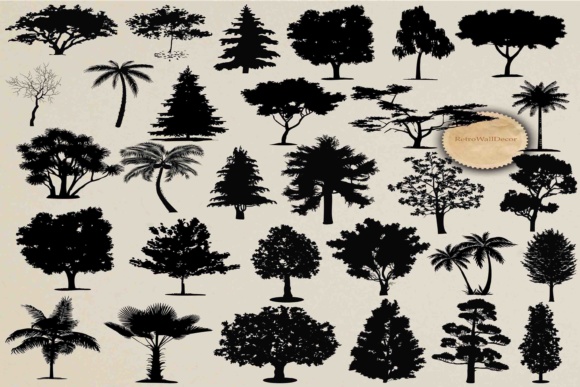
At its core, Tree Silhouette is a black-and-white image that captures the outline of a tree. It's typically created using vector or high-resolution PNG files, ensuring clarity and scalability across different mediums. Unlike traditional images, which may require complex layering or editing, Tree Silhouette provides a straightforward, impactful visual that can be easily integrated into larger compositions.
This type of design asset is particularly useful when you want to add depth, contrast, or a natural element to your work. It works well with both light and dark backgrounds, making it a versatile option for designers who need to maintain visual balance while keeping their content engaging.
Where Tree Silhouette Fits Into the Creative Process
Tree Silhouette can be used at any stage of a project, depending on your goals. For instance, during the planning phase, it can serve as a visual anchor for branding or thematic elements. If you're designing a website or app interface, Tree Silhouette can help reinforce a nature-inspired theme or provide a subtle background texture that doesn't distract from the main content.
During the execution phase, Tree Silhouette can act as a design component that supports other assets. For example, in a scrapbooking project, it might be layered over photos or text to create a cohesive layout. In marketing materials, it could be used as a background for product images, helping to draw attention to key details without overwhelming the viewer.
After the project is complete, Tree Silhouette can also be repurposed for future use. Many designers keep a library of such assets for quick access, allowing them to streamline their workflow and maintain consistency across multiple projects.
Integrating Tree Silhouette with Other Tools and Resources
One of the strengths of Tree Silhouette is its compatibility with a variety of design software and platforms. Whether you're using Adobe Photoshop, Illustrator, Canva, or even online design tools like Figma, Tree Silhouette can be seamlessly incorporated into your workflow. The transparent background ensures that it blends well with other elements, while the high resolution guarantees that it looks sharp on both screens and printed materials.
When working with Tree Silhouette, it's important to consider how it interacts with other assets. For instance, if you're creating a logo or brand identity, Tree Silhouette can be combined with typography or color schemes to create a visually appealing composition. Similarly, in photography or video editing, it can be used as a background overlay or motion graphic element to enhance the overall mood and atmosphere.
Additionally, Tree Silhouette can be paired with other design elements such as textures, patterns, or icons to create more dynamic compositions. This flexibility allows designers to tailor their use of Tree Silhouette to suit the specific needs of each project, whether it's a personal portfolio, a client presentation, or a commercial product.
Practical Implementation Tips for Using Tree Silhouette
To get the most out of Tree Silhouette, it's essential to follow a few best practices. First, always ensure that you're using high-quality PNG files with a resolution of at least 300 ppi. This will help maintain clarity and prevent pixelation, especially when scaling the image for print or large-screen displays.
Second, organize your Tree Silhouette assets in a structured folder system. This makes it easier to locate the right file when needed and helps maintain consistency across different projects. You can also label each file according to its intended use, such as "Background," "Overlay," or "Icon," to streamline your workflow.
Third, experiment with different placement and layering techniques. Tree Silhouette can be positioned in the foreground, middle ground, or background depending on the desired effect. It can also be rotated, scaled, or masked to fit within the layout of your design.
Finally, don’t forget to test your designs in different environments. Viewing Tree Silhouette on a computer screen versus a printed page can reveal how it behaves under various lighting conditions and resolutions. This helps ensure that your final output meets the required standards and delivers a consistent experience across all platforms.
Use Cases for Tree Silhouette in Real-World Projects
Tree Silhouette is not limited to a single application—it can be adapted to fit a wide range of creative and professional tasks. Here are a few examples of how it can be used in real-world scenarios:
- Web Design: Use Tree Silhouette as a background element for landing pages, banners, or navigation menus to create a calming and natural feel.
- Graphic Design: Incorporate Tree Silhouette into posters, flyers, or social media graphics to add visual interest and reinforce a thematic concept.
- Photography: Overlay Tree Silhouette on photos to create a vintage or artistic effect, especially in portrait or landscape photography.
- Education: Use Tree Silhouette in lesson plans or teaching materials to illustrate environmental concepts or support visual learning strategies.
- Marketing: Integrate Tree Silhouette into promotional materials, such as brochures, email campaigns, or advertisements, to align with eco-friendly or nature-themed branding.
These use cases highlight how Tree Silhouette can be a valuable addition to any designer’s toolkit, offering both aesthetic appeal and functional versatility.
Conclusion
Tree Silhouette is more than just a design asset—it’s a strategic tool that can enhance the visual quality and effectiveness of your work. By understanding its role in the creative process and integrating it into your workflow, you can unlock new possibilities for your projects. Whether you're a professional designer, a small business owner, or a hobbyist, Tree Silhouette offers a simple yet powerful way to elevate your design output and achieve greater consistency and impact.